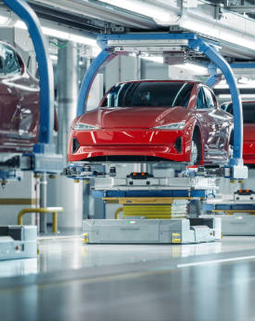


In Nigeria, the stability of electricity supply is closely tied to daily mobility, fuel consumption, vehicle maintenance costs, and the overall performance of the automotive industry Nigeria, and recent revelations about unpaid cross-border power debts have highlighted how energy challenges extend far beyond the power sector and directly affect motorists and transport businesses across the country.
Nigeria supplies electricity to neighboring countries such as Togo, Niger, and Benin under regional agreements, but outstanding debts running into tens of billions of naira have placed additional strain on an already fragile power supply Nigeria, limiting investments in generation, transmission, and maintenance that are critical for economic activity. Reliable electricity is not only essential for homes and offices; it is a backbone for vehicle assembly plants, auto repair workshops, fuel stations, and logistics hubs that keep cars, buses, and trucks on the road. When electricity revenues are delayed or unpaid, power generation companies face cash flow problems, leading to reduced output and frequent outages that ripple through the transport ecosystem.
For car owners, inconsistent power supply means higher dependence on fuel-powered generators at service centers, which raises maintenance costs and is ultimately passed on to drivers through higher repair bills and parts prices. The issue also affects fuel distribution, as depots and filling stations rely on steady electricity for pumping, storage management, and digital payment systems, making outages a contributor to queues, inefficiencies, and increased operating costs.
From a broader perspective, Nigeria’s role in cross-border electricity trade was designed to strengthen regional cooperation and generate foreign revenue, but when partner countries delay payments, the burden shifts back onto domestic consumers and industries, including transport and mobility services.
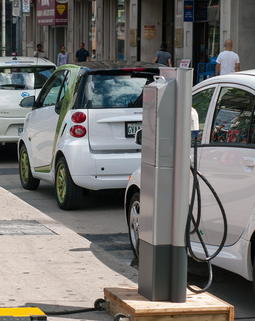
Commercial transport operators, ride-hailing drivers, and logistics companies already face rising fuel prices, spare parts inflation, and vehicle financing challenges, and unstable electricity adds another layer of cost and uncertainty. For the growing electric and hybrid vehicle conversation in Nigeria, power sector instability is an even bigger concern, as energy infrastructure Nigeria must improve significantly before electric mobility can scale beyond pilot projects. Without reliable grid power, charging infrastructure remains limited, discouraging investment and slowing innovation in cleaner transport solutions.
At the same time, unresolved electricity debts reduce the government’s capacity to reinvest in transmission upgrades and smart grid technologies that would benefit industrial users, including local vehicle assemblers and aftermarket suppliers. Addressing these debts through stronger enforcement of payment agreements, regional energy diplomacy, and transparent billing systems could unlock funds needed to stabilize electricity generation and indirectly support the transport sector.
Improved power reliability would lower operational costs for auto businesses, enhance fuel distribution efficiency, and create a more favorable environment for future vehicle technologies. As Nigeria works to balance regional leadership with domestic priorities, the intersection between electricity policy and mobility cannot be ignored.
Do you think better regional power payment systems could improve transport costs and vehicle ownership in Nigeria? Share your thoughts in the comments and explore related mobility insights on our blog.