

In 2026, Nigeria stands at a pivotal crossroads in its energy journey. Following the historic removal of fuel subsidies, the nation has accelerated its transition toward a more sustainable and cost-effective energy mix. At the forefront of this shift is the Nigeria Presidential CNG Initiative (Pi-CNG), a transformative program designed to decouple the country’s urban mobility from the volatile global oil market. By leveraging Nigeria’s status as a "gas province with a little bit of oil," this initiative is turning the environmental liability of flared gas into a high-value asset for millions of commuters.
Decarbonizing The Nile Of The West: From Flare To Fuel
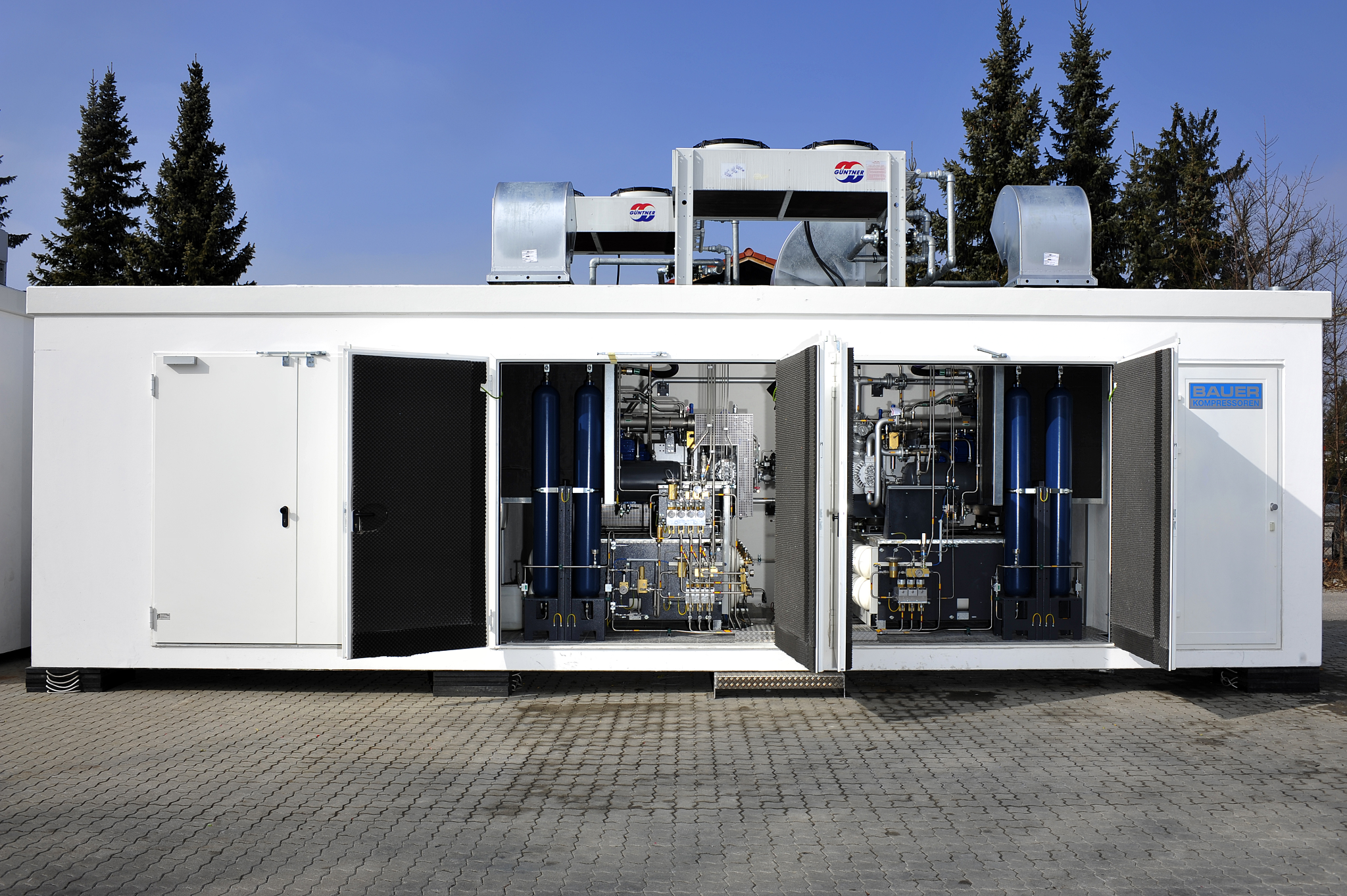
For decades, Nigeria has been among the top gas-flaring nations globally, wasting billions of cubic feet of energy that could otherwise power its economy. The Nigeria Presidential CNG Initiative represents a strategic pivot to capture this lost resource. Under the 2026 "Decade of Gas" acceleration, new processing plants situated near oil fields in the Niger Delta are now purifying and compressing this associated gas into Compressed Natural Gas (CNG).
This process does more than just lower fuel costs; it significantly improves urban air quality. Vehicles running on fuel sourced via the Nigeria Presidential CNG Initiative emit 29% less carbon dioxide and up to 80% less particulate matter compared to their petrol-dependent counterparts. In megacities like Lagos and Kano, where smog and respiratory issues have long been a public health concern, the adoption of gas-powered transport is a literal breath of fresh air.
The 2026 Infrastructure Rollout
As of March 2026, the Federal Government has intensified the deployment of infrastructure to support this transition. President Bola Tinubu recently directed the immediate distribution of an additional 100,000 conversion kits across the country to mitigate the impact of rising global energy prices.
-
Conversion Centers: Over 300 certified workshops are now operational, providing professional retrofitting services for commercial and private vehicles.
-
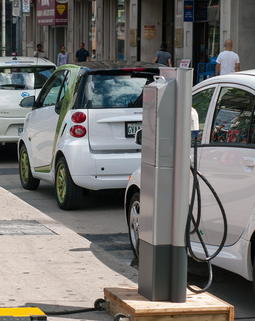
Refueling Corridors: A strategic "Gas Pipeline" of refueling stations has been established along major arteries, connecting Lokoja, Abuja, Kaduna, and Zaria, ensuring that the Nigeria Presidential CNG Initiative supports long-distance logistics.
-
The SPROUT Project: This specialized sub-initiative has begun deploying solar-integrated CNG buses to 20 university campuses, training a new generation of "green-collar" technicians.
Economic Relief At The Pump
The most immediate impact of the Nigeria Presidential CNG Initiative is felt in the pockets of the Nigerian people. With petrol prices frequently fluctuating above ₦1,000 per liter, CNG offers a stable alternative that costs nearly 60% less. For a typical commercial driver in Abuja, switching to the Nigeria Presidential CNG Initiative framework can save over ₦5,000 per 100 kilometers driven.
To keep track of the latest developments in vehicle conversion technology, subsidy updates, and the burgeoning "Green Economy" in West Africa, visiting the expert reporting at AfriCarNews is essential for staying informed in this fast-moving sector.
Navigating The Challenges Of Transition
Despite the progress, the Nigeria Presidential CNG Initiative faces hurdles. The initial cost of conversion—ranging from ₦900,000 to ₦1.6 million—remains a barrier for many. However, the government has responded with the Commercial Vehicle Conversion Incentive Programme (CV-CIP), which offers free or highly subsidized kits to verified mass transit operators. By 2027, the goal remains to have one million gas-powered vehicles on Nigerian roads, fully integrating the Nigeria Presidential CNG Initiative into the fabric of national life.
Are you ready to convert your vehicle to CNG to save on fuel costs, or do you have concerns about the safety and availability of gas stations in your city? We want to hear your perspective—join the discussion in the comments below!