


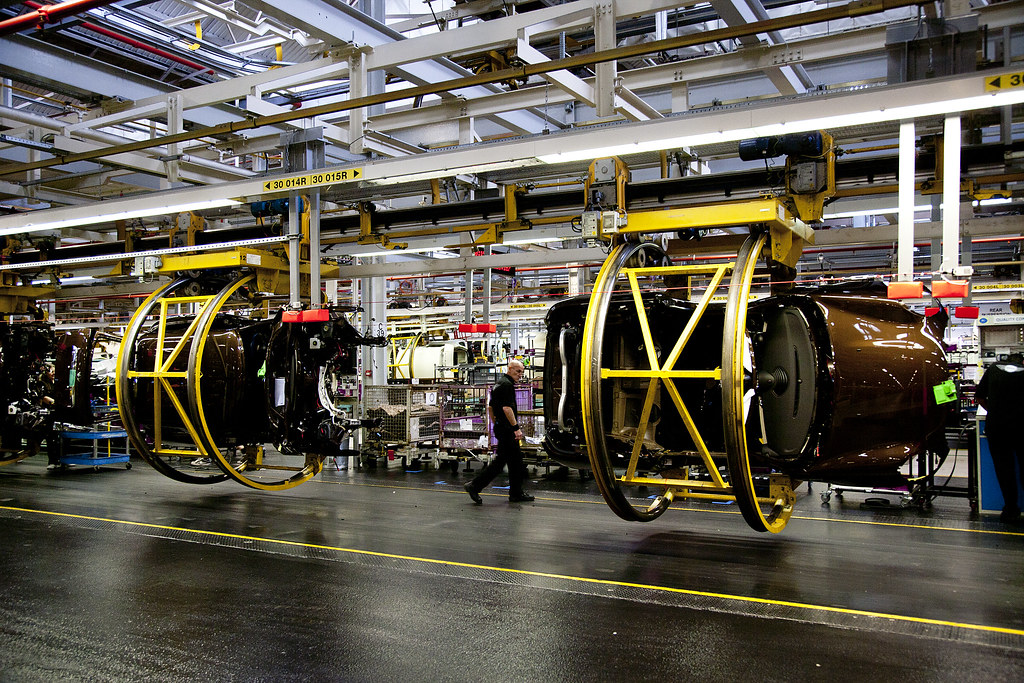
The federal government is making significant strides to transform the Nigeria automotive industry by implementing a new, competency-based training program for vehicle professionals. This initiative aims to address a long-standing skills gap and ensure that the country’s technicians are equipped to handle the complexities of modern vehicles, including emerging technologies. The program focuses on producing a new cohort of certified quality assurance assessors who will, in turn, train and certify technicians nationwide.
These new assessors are being trained to evaluate and certify professionals according to a nationally recognized skills framework. The training curriculum is designed to be comprehensive and forward-thinking, with a strong focus on high-demand areas. Key topics include modern diagnostic techniques, maintenance of electric vehicles (EVs), and conversion processes for Compressed Natural Gas (CNG) vehicles. As Nigeria looks to diversify its energy sources and embrace greener transportation, having a skilled workforce capable of servicing these vehicles is paramount. The program's goal is to rapidly increase the number of qualified professionals, thereby meeting the growing demand and enhancing the overall capacity of the Nigeria automotive industry.
From 'Trial and Error' to Professional Standards
For years, many Nigerians have relied on informal and often inconsistent methods of vehicle repair. This new competency-based framework is a direct solution to the "trial and error" approach that has plagued the sector. By introducing uniform standards for training and assessment, the program ensures that automotive professionals acquire and demonstrate a specific set of skills before they can be certified. Participants are evaluated on their ability to perform tasks according to a set standard, ensuring consistent and high-quality service.
The certification system is tiered, ranging from entry-level qualifications to advanced certifications for specialized professionals. This structure encourages specialization and excellence, allowing car owners to find and trust mechanics who are proven experts in specific areas, whether it's routine maintenance or complex engine diagnostics. This shift toward professionalism will not only improve service quality but also foster a more competitive Nigeria automotive industry. For more information on vehicle regulations and services on the African continent, you can explore resources like those at AfriCarGroup.
Ultimately, this initiative is expected to have a far-reaching impact. It will create new job opportunities, reduce the risk of vehicle damage from substandard repairs, and build consumer confidence. By aligning the Nigeria automotive industry with international standards, the country is better positioned to become a leader in Africa's auto sector and beyond.
What are your thoughts on this new training initiative? Do you believe it will help to improve the quality of service for car owners in Nigeria? Share your comments below!


