

The automotive landscape in Nigeria is on the brink of a historic transformation as the government prepares to roll out sweeping reforms in 2026. Spearheaded by the National Automotive Design and Development Council (NADDC), these initiatives aim to modernize the industry, improve road safety, and position the country as a leading automotive hub in West Africa. From stricter import regulations to a massive push for locally manufactured vehicles, the coming year promises to redefine how Nigerians buy and maintain their cars.
At the heart of the 2026 automotive reforms is the newly approved End-of-Life Vehicle (ELV) policy. This regulation addresses the growing issue of abandoned and unroadworthy cars cluttering streets and harming the environment. Under this scheme, Nigeria will establish a structured system for the responsible disposal and recycling of old vehicles. According to NADDC Director-General Joseph Osanipin, over 85 percent of car parts can be recycled, which will not only generate significant revenue but also create thousands of jobs in the circular economy. This move is a decisive step toward eliminating "dumping" and ensuring that only safe vehicles remain on our roads.
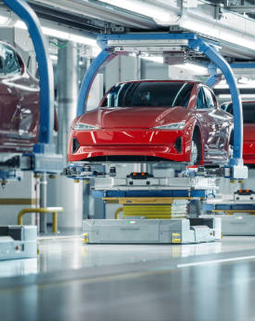
The reforms also target the imported used vehicle market, which has historically dominated the local scene. Starting in 2026, all imported vehicles must undergo mandatory pre-export inspection and certification to ensure they meet minimum safety and emission standards. This is designed to protect Nigerian consumers from buying defective "tokunbo" cars that have already reached their limit in countries like the US or UAE. To balance these stricter rules, the government is intensifying support for local vehicle assembly. By providing single-digit interest rate financing and passing the National Automotive Industry Development Plan (NAIDP) into law, the goal is to make brand-new Nigerian-made cars more affordable than ever.
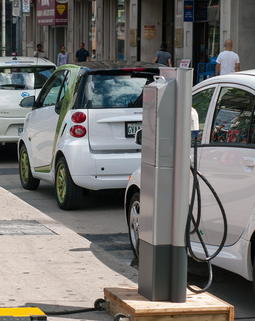
Sustainability is another major pillar of the 2026 rollout. The Electric Vehicle Transition and Green Mobility Bill is expected to catalyze a boom in EV adoption. With petrol prices remaining high, electric vehicles are becoming economically viable solutions. The government is already training technicians in EV maintenance and CNG conversion, ensuring the workforce is ready for a greener future. International stakeholders are also watching closely, with organizations like the African Development Bank recognizing the region's potential for green mobility investment.
As we look toward the second quarter of 2026, the enactment of the Auto Industry Bill will provide the legal certainty needed to attract billion-dollar investments into component manufacturing, such as local production of tires and brake pads. This shift from a "policy-based" to a "legislation-backed" industry will ensure that Nigeria remains competitive under the African Continental Free Trade Area (AfCFTA). For more information on the official standards being set by the council, visit the NADDC portal.
The journey to a more modern and safer Nigerian auto industry is well underway. While these changes may bring new regulations, the ultimate goal is a safer, more prosperous, and environmentally friendly nation for every driver. How do you feel about the upcoming End-of-Life Vehicle policy—are you ready to trade in your old car for a locally made alternative?
Share your thoughts in the comments below! Don't forget to visit our other articles at our blog to stay updated on the latest car prices and maintenance tips.