

Nigeria Electric Vehicles are becoming an increasingly important part of the country's automotive future, even as unreliable electricity remains one of the biggest obstacles to widespread EV adoption. While frequent power outages have raised questions about the practicality of electric mobility, automakers, technology companies, and government agencies continue investing in electric vehicles, charging infrastructure, and local vehicle assembly.
Rather than slowing the automotive industry's transition, these challenges are encouraging innovative solutions that could reshape how Nigerians buy, charge, and drive electric cars in the coming years.
Rising Fuel Costs Make Electric Cars More Attractive
One of the biggest drivers behind Nigeria Electric Vehicles is the rising cost of operating conventional petrol and diesel vehicles.
Lower Running Costs Appeal to Drivers
Electric vehicles can help motorists reduce:
-
Daily fuel expenses
-
Engine maintenance costs
-
Oil changes
-
Exhaust system repairs
-
Long-term servicing costs
Following fuel subsidy reforms, many private motorists and commercial fleet operators are exploring EVs and hybrid vehicles as more economical alternatives for urban driving.
Power Supply Remains the Biggest Challenge
Despite growing interest, electricity reliability continues to influence the pace of EV adoption.
Charging Infrastructure Needs Improvement
Current challenges include:
-
Frequent power outages
-
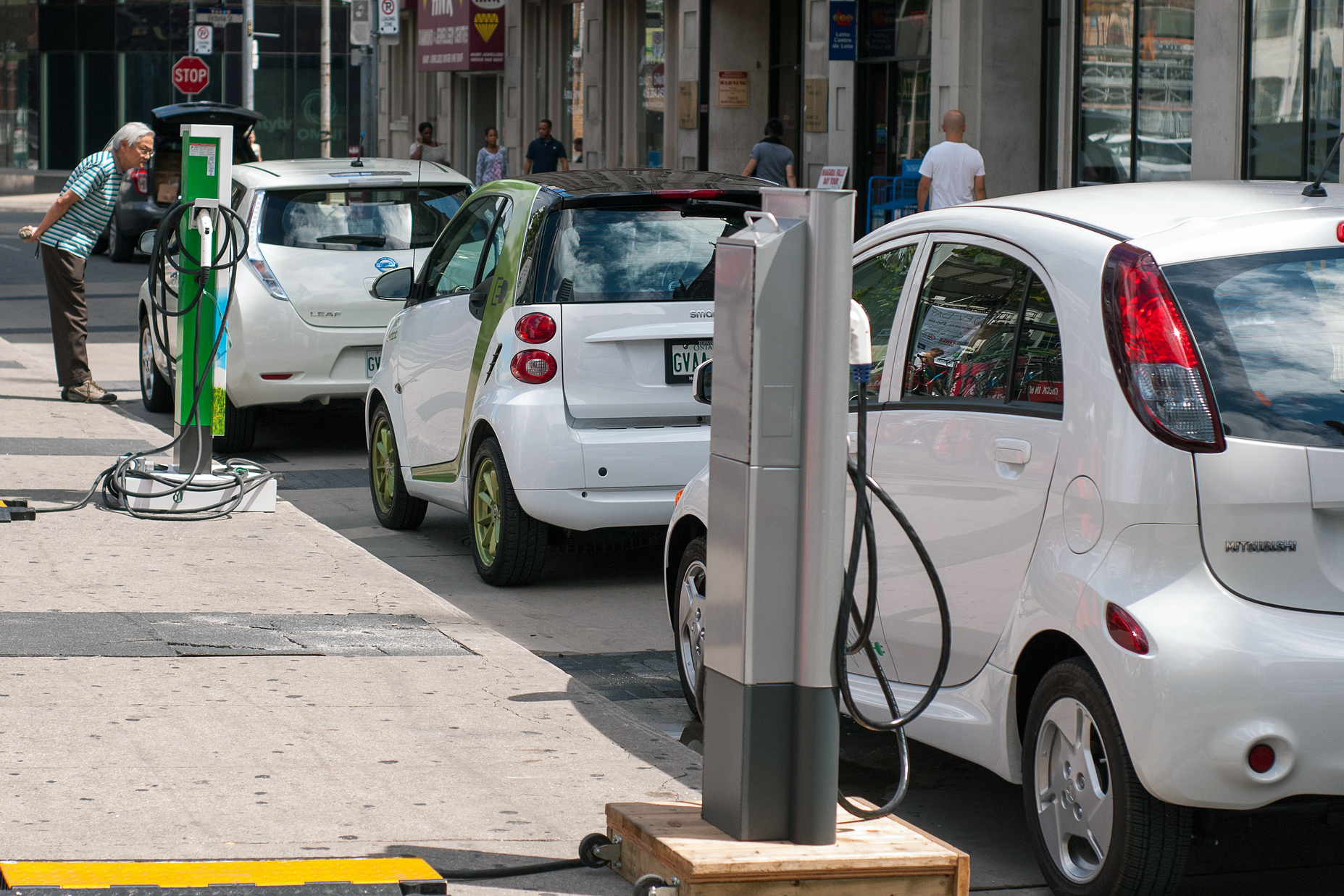
Limited public charging stations
-
Uneven electricity access
-
Long-distance charging gaps
-
Grid reliability concerns
Some early EV owners have adapted by installing home solar systems or backup power solutions, while others primarily use electric vehicles for city driving where charging is more manageable.
Hybrid Vehicles Offer a Practical Solution
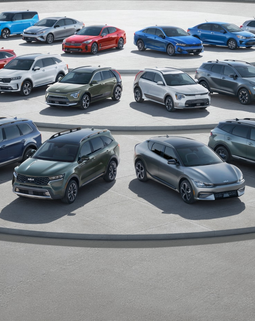
Many automotive experts believe hybrid vehicles provide the most practical bridge toward full electrification.
Why Hybrids Are Growing in Popularity
Hybrid vehicles combine:
-
Petrol engines
-
Electric motors
-
Regenerative braking
-
Lower fuel consumption
-
Extended driving range
Unlike fully electric vehicles, hybrids can continue operating even where charging infrastructure is limited, making them well suited for Nigeria's current automotive environment.
Local EV Manufacturing Supports the Automotive Industry
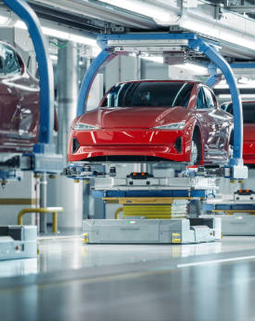
The growth of Nigeria Electric Vehicles is also encouraging investment in domestic vehicle production.
Expanding Local Automotive Manufacturing
Nigeria has seen increasing interest in:
-
Electric vehicle assembly
-
Battery technology
-
Automotive component production
-
EV servicing
-
Technical workforce development
Local manufacturing can help reduce vehicle costs while creating employment opportunities and strengthening the country's automotive supply chain.
Commercial Fleets Lead EV Adoption
Commercial transport operators are expected to play a major role in accelerating electric mobility.
Fleet Applications Include
-
Ride-hailing vehicles
-
Delivery vans
-
Corporate fleets
-
Public buses
-
Government vehicles
-
Urban logistics fleets
Fleet operators benefit from predictable daily routes, making charging schedules easier to manage while reducing overall operating costs.
Charging Innovation Is Expanding
Private companies are investing in new charging technologies to support the future of Nigeria Electric Vehicles.
Emerging Charging Solutions
The automotive industry is exploring:
-
Fast-charging stations
-
Solar-powered charging hubs
-
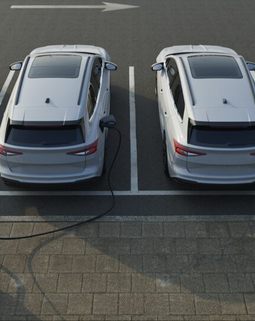
Home charging systems
-
Battery management technologies
-
Smart charging networks
These innovations could reduce dependence on the national grid while improving charging convenience for vehicle owners.
Government Policies Support Cleaner Mobility
Authorities are also encouraging cleaner transportation through policies aimed at reducing emissions and supporting electric mobility. Measures such as incentives for low-emission vehicles and plans to expand EV manufacturing demonstrate Nigeria's commitment to building a more sustainable automotive sector, despite ongoing infrastructure challenges.
For more automotive industry news, electric vehicle updates, and mobility developments across Africa, visit AfricaCarGroup.
Conclusion
The future of Nigeria Electric Vehicles will depend on balancing ambitious automotive innovation with improvements in energy infrastructure. Although unreliable electricity remains a significant hurdle, rising fuel costs, expanding local vehicle manufacturing, growing charging investments, and increasing interest in hybrid technology are helping drive the country's transition toward cleaner mobility.
As charging infrastructure expands and more affordable electric models enter the market, Nigeria Electric Vehicles are expected to play an increasingly important role in the nation's evolving automotive industry.
Join the Conversation
Do you think Nigeria should prioritize expanding charging infrastructure or promote hybrid vehicles first? Share your thoughts in the comments and tell us what will accelerate the future of Nigeria Electric Vehicles.