

Nigeria's automotive market is facing a significant fiscal change as the government introduces a new green tax surcharge on vehicles with larger engine capacities. The measure forms part of the country's 2026 fiscal policy package and is scheduled to take effect from July 1, 2026.
The new Nigeria Green Car Tax is structured around engine size, meaning buyers and importers of larger petrol and diesel vehicles could face additional costs. Vehicles below 2,000cc will be exempt, while larger engines will fall into two surcharge bands.
How the New Vehicle Tax Works
Under the announced policy, vehicles with engine capacities from 2,000cc to 3,999cc will face a 2% surcharge. Vehicles with engines of 4,000cc and above will attract a 4% charge.
The Nigeria Green Car Tax therefore places greater emphasis on engine capacity when determining the additional vehicle charge. Large SUVs, luxury vehicles and other models equipped with high-capacity engines are among the vehicles that could fall within the affected categories.
The measure is part of a wider package of fiscal reforms replacing the previous 2023 framework. Nigeria's Federal Ministry of Finance has also confirmed that the government is implementing broader tax and customs reforms under the new framework.
Which Vehicles Are Exempt?
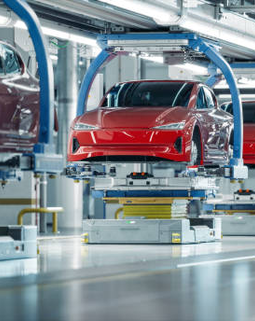
Not every vehicle will be affected by the surcharge. Vehicles with engines below 2,000cc are excluded, while mass-transit buses, electric vehicles and locally manufactured vehicles are also exempt under the policy described in the April announcement.
This creates an important distinction between different parts of Nigeria's automotive market. A compact car with a smaller engine could avoid the surcharge, while a large petrol SUV with an engine above 4,000cc could fall into the highest band.
Impact on Big SUVs and Premium Cars
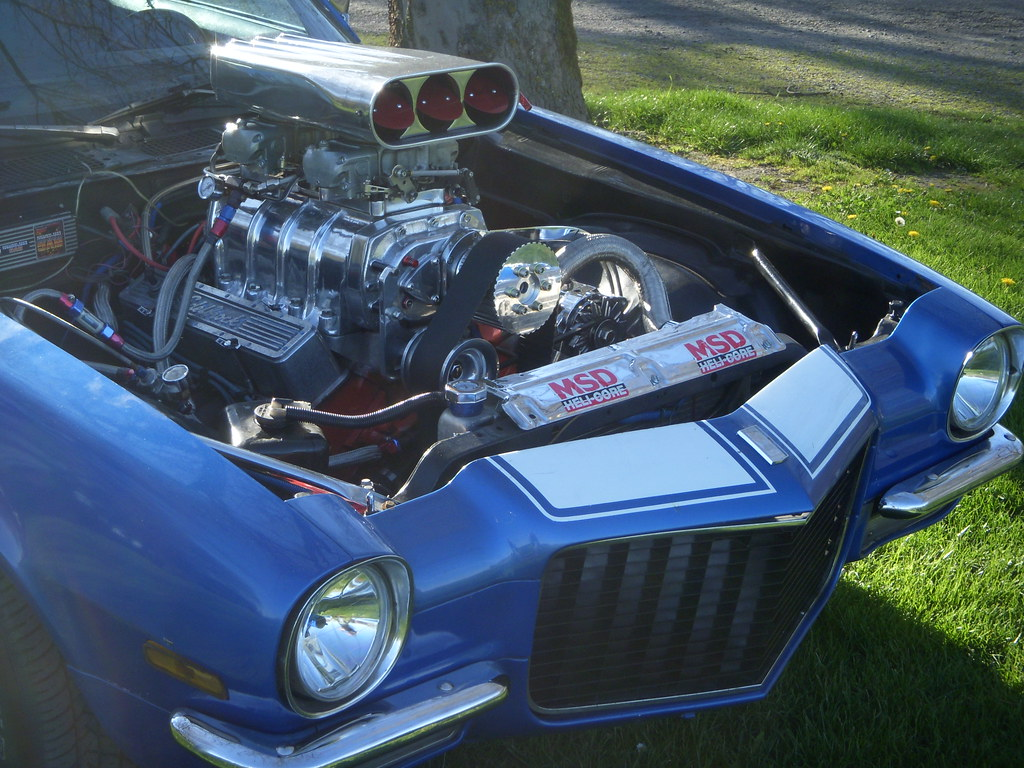
The Nigeria Green Car Tax could be particularly relevant to buyers considering large SUVs. Vehicles with V6 and V8 engines commonly have engine capacities above the 2,000cc threshold, meaning their tax treatment can differ from smaller-engine alternatives.
For consumers, the additional charge could become another factor when comparing purchase costs. Importers and dealers may also need to account for the policy when calculating the landed or final cost of vehicles entering the Nigerian market.
For more African automotive developments, readers can also explore AfriCarGroup.
Electric Cars Receive an Exemption
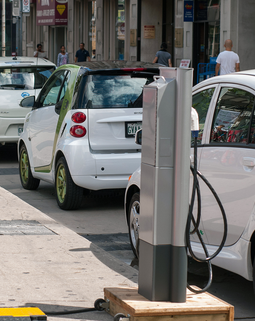
Electric vehicles are specifically exempt from the new surcharge. This treatment gives EVs a different position within the fiscal framework because they do not use conventional engine displacement as their powertrain measurement.
Nigeria has previously introduced tax incentives supporting cleaner transport technologies, including measures covering electric vehicles.
The exemption could therefore make the tax treatment of EVs increasingly relevant as manufacturers and consumers consider alternatives to conventional petrol and diesel vehicles.
What It Means for the Nigerian Car Market
The Nigeria Green Car Tax arrives alongside broader changes to Nigeria's fiscal and customs systems. The Federal Ministry of Finance says the new framework is intended to strengthen revenue administration, while the Nigeria Customs Service has been involved in implementing the government's 2026 fiscal measures.
For vehicle buyers, the practical impact will depend on engine size, vehicle type and whether the vehicle qualifies for one of the stated exemptions.
Conclusion
Nigeria's new vehicle surcharge introduces a clear engine-size distinction into the country's automotive tax environment. Cars below 2,000cc remain outside the charge, while vehicles between 2,000cc and 3,999cc face 2% and those at 4,000cc or above face 4%, with EVs, mass-transit buses and locally manufactured vehicles exempt under the announced policy.
The Nigeria Green Car Tax could therefore influence purchasing decisions, import calculations, and the types of vehicles that attract attention in Nigeria's evolving automotive market.
Will the new tax change your choice of car in Nigeria? Tell us whether you would consider a smaller-engine model, an EV, or continue with a larger SUV.