

Nigeria’s automotive sector is undergoing a historic transformation with the rise of Nigeria electric vehicles. By the end of 2025, approximately 20,000 EVs were recorded on Nigerian roads—a figure representing under 1% of the national fleet but signaling rapid adoption in urban centers such as Lagos and Abuja. This shift is driven by local assembly efforts, innovative charging solutions, and landmark policy reforms aimed at creating a sustainable EV ecosystem.
Local Production: SAGLEV Leads the Charge
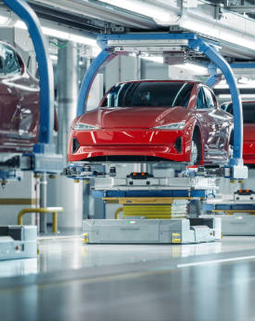
At the forefront of this revolution is SAGLEV Electromobility Nigeria Limited, whose Imota plant in Ikorodu, Lagos, is the first dedicated EV assembly facility in Sub-Saharan Africa. Currently, the plant assembles around 2,600 vehicles annually on a single shift, with the capacity to expand production to 10,000 units per year through additional shifts without physical expansion.
This local manufacturing milestone strengthens Nigeria’s industrial capacity, creates jobs, and contributes to the “Nigeria First” policy, which mandates that foreign automakers collaborate with Nigerian firms to meet a 30% local content target by 2030. SAGLEV’s leadership was recognized nationally, earning the title of “2025 Nigeria EV Brand of the Year” by the Nigeria Auto Journalists Association.
Policy Reforms Fuel EV Adoption
The Federal Government has introduced policies that reduce barriers for Nigeria electric vehicles. The 2025 Green Mobility Bill provides VAT waivers, removes import adjustment taxes on EVs, and requires fuel stations to install charging infrastructure. These incentives aim to lower upfront vehicle costs, promote local manufacturing, and encourage broader adoption of electric mobility solutions across the country.
Infrastructure and Market Diversification
Despite these advances, challenges remain, including affordability, inconsistent power supply, and limited infrastructure. To address this, several manufacturers, including Innoson Vehicle Motors (IVM) and Spiro, are expanding beyond passenger cars into electric buses and two-wheelers.
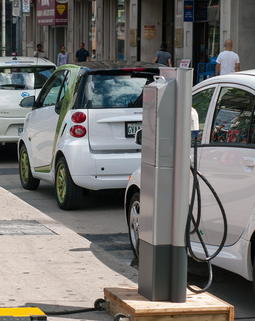
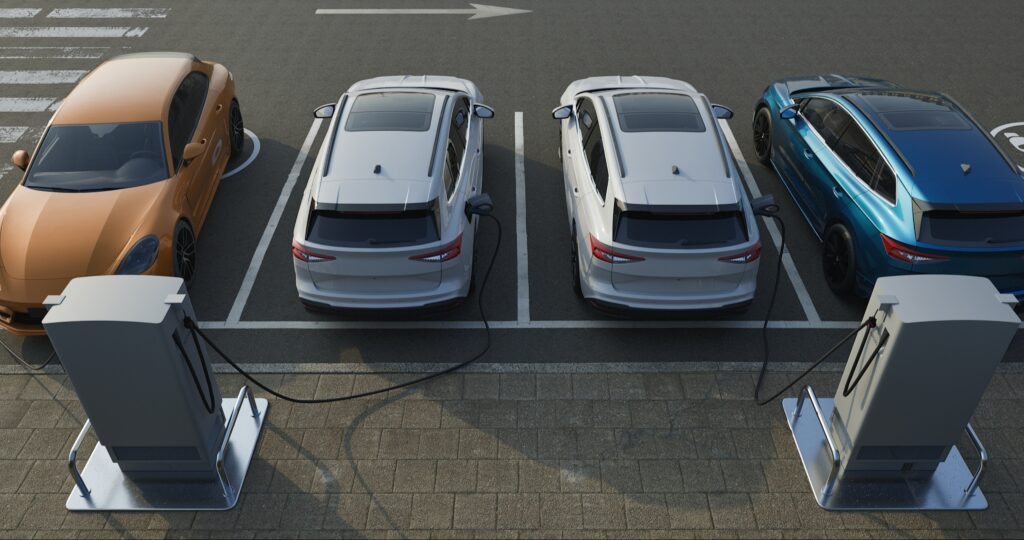
Innovative solutions such as Battery-as-a-Service (BaaS) models and battery-swapping stations are helping reduce the high upfront costs of EV ownership. Many vehicles are now compatible with off-grid charging using 20kVA generators or solar-powered stations, mitigating dependence on Nigeria’s unstable national grid.
Building a Sustainable EV Ecosystem
The NADDC continues to support the sector with capacity-building programs, including technician training and certification. The focus is expanding toward the downstream EV economy, covering maintenance, widespread charging networks, and second-life battery recycling. These initiatives ensure that Nigeria electric vehicles are not only assembled locally but also supported by a robust infrastructure for long-term sustainability.
For ongoing updates and industry insights, check out AfricaCarNews.
What do you think will drive the next wave of EV adoption in Nigeria—affordable pricing, expanded charging networks, or local manufacturing? Share your thoughts in the comments below!