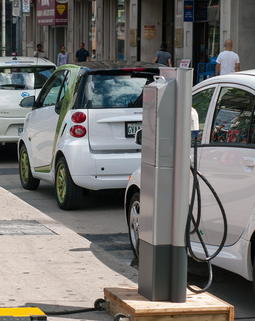


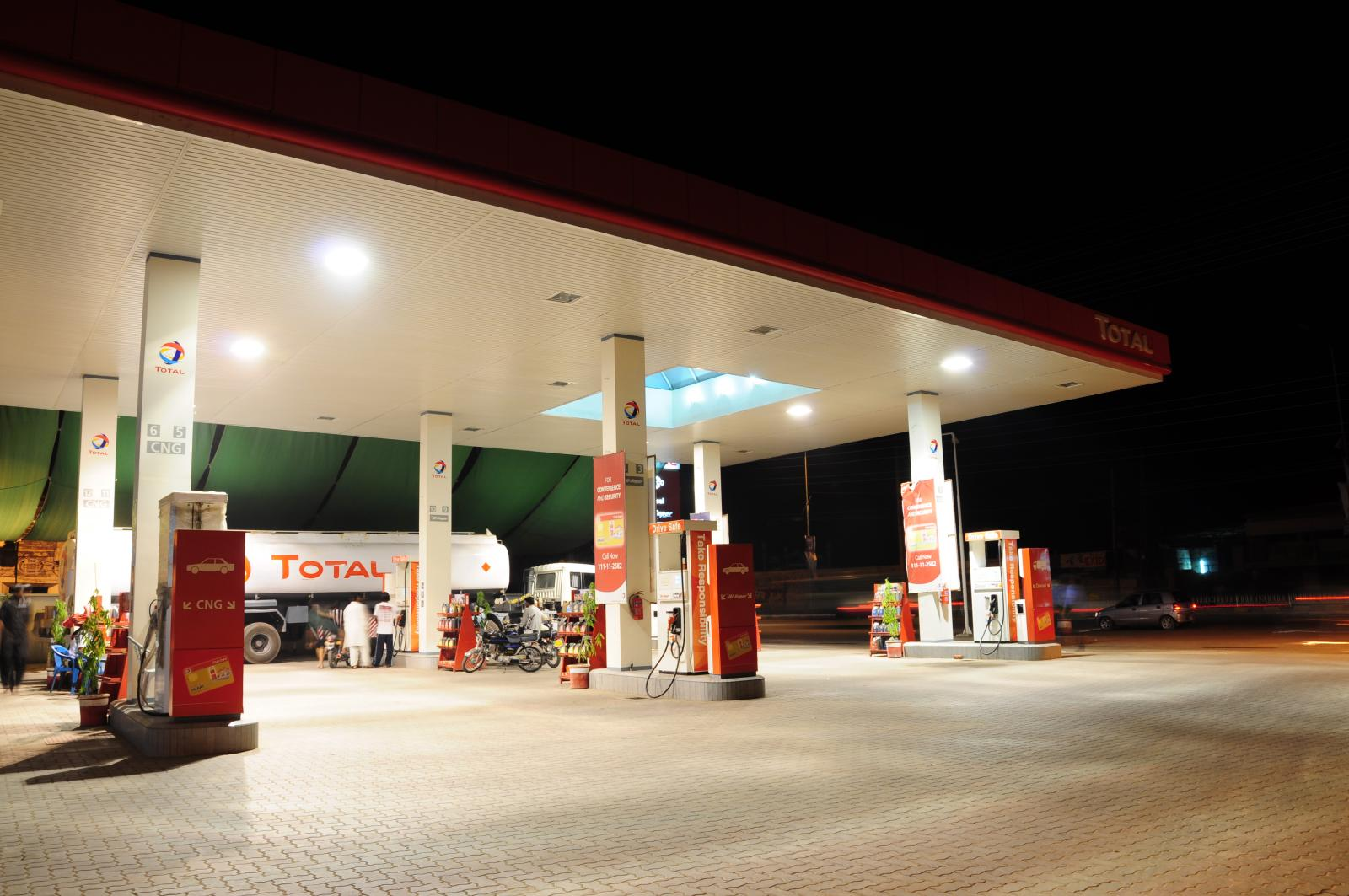
As of March 2026, Nigerian businesses are facing a transformative energy landscape. With petrol prices frequently fluctuating above ₦1,200 per liter due to global volatility, the operational cost of maintaining a corporate fleet has become a significant burden. In response, President Bola Tinubu recently ordered the immediate deployment of 100,000 conversion kits nationwide. For forward-thinking companies, the Nigeria Presidential CNG Initiative (Pi-CNG) is no longer just a "green" option—it is a fiscal necessity. Transitioning to Compressed Natural Gas (CNG) allows fleets to bypass petrol inflation and tap into Nigeria’s vast domestic gas reserves.
Assessing Your Fleet’s Conversion Potential
The first step in leveraging the Nigeria Presidential CNG Initiative is a comprehensive audit of your existing vehicles. Most modern petrol engines can be retrofitted with bi-fuel systems, allowing them to run on both gas and petrol.
Identifying Eligible Vehicles
The Nigeria Presidential CNG Initiative specifically targets high-usage commercial and corporate vehicles. While the government provides free conversions for many union-registered transporters, corporate fleets can access significant 50% subsidies for ride-share and logistics partners. Heavy-duty trucks and passenger buses are the primary candidates for conversion, as the fuel savings of up to 60% are most impactful for long-haul and high-frequency urban routes.
Navigating The 2026 Infrastructure Landscape
A major concern for fleet managers has historically been the availability of refueling points. However, the Nigeria Presidential CNG Initiative has accelerated the creation of "Gas Corridors." By mid-2026, a continuous network of refueling stations is being finalized along major routes, including the Lokoja-Abuja-Kaduna-Kano-Maiduguri axis.
Strategic Partnerships And Refueling
To ensure fleet uptime, companies are encouraged to partner with infrastructure leaders like NIPCO Gas, which is currently constructing 20 additional stations. For the latest updates on station locations and regional infrastructure developments, businesses can monitor the analysis provided by AfriCarNews to plan their logistical routes effectively.
Step-By-Step Implementation For Businesses
-
Workshop Selection: Use the Pi-CNG digital portal to identify one of the 300+ certified conversion centers.
-
Safety Compliance: Ensure your chosen kit meets the National Occupational Standards for CNG conversion. In 2026, safety is paramount; look for "Smart" cylinders equipped with automatic shut-off valves.
-
Driver Training: The Nigeria Presidential CNG Initiative isn't just about hardware. Drivers must be trained in the nuances of gas-powered torque and refueling safety protocols.
-
Incentive Application: Apply for tax deductions and VAT exemptions on CNG equipment, which were reaffirmed as part of the 2026 fiscal policy.
The Long-Term Economic Advantage
The financial case for the Nigeria Presidential CNG Initiative is undeniable. While petrol costs continue to strain budgets, CNG has been harmonized at a retail price of approximately ₦380 per standard cubic metre (SCM) in major cities. For a company operating 50 vehicles, this price differential can save millions of Naira annually in fuel expenditure alone.
By integrating the Nigeria Presidential CNG Initiative into your corporate strategy, you aren't just protecting your bottom line; you are contributing to a cleaner, more energy-secure Nigeria.
Is your company ready to lead the shift toward gas-powered logistics, or is the initial cost of conversion still holding you back? We’d love to hear your thoughts—join the conversation in the comments below!